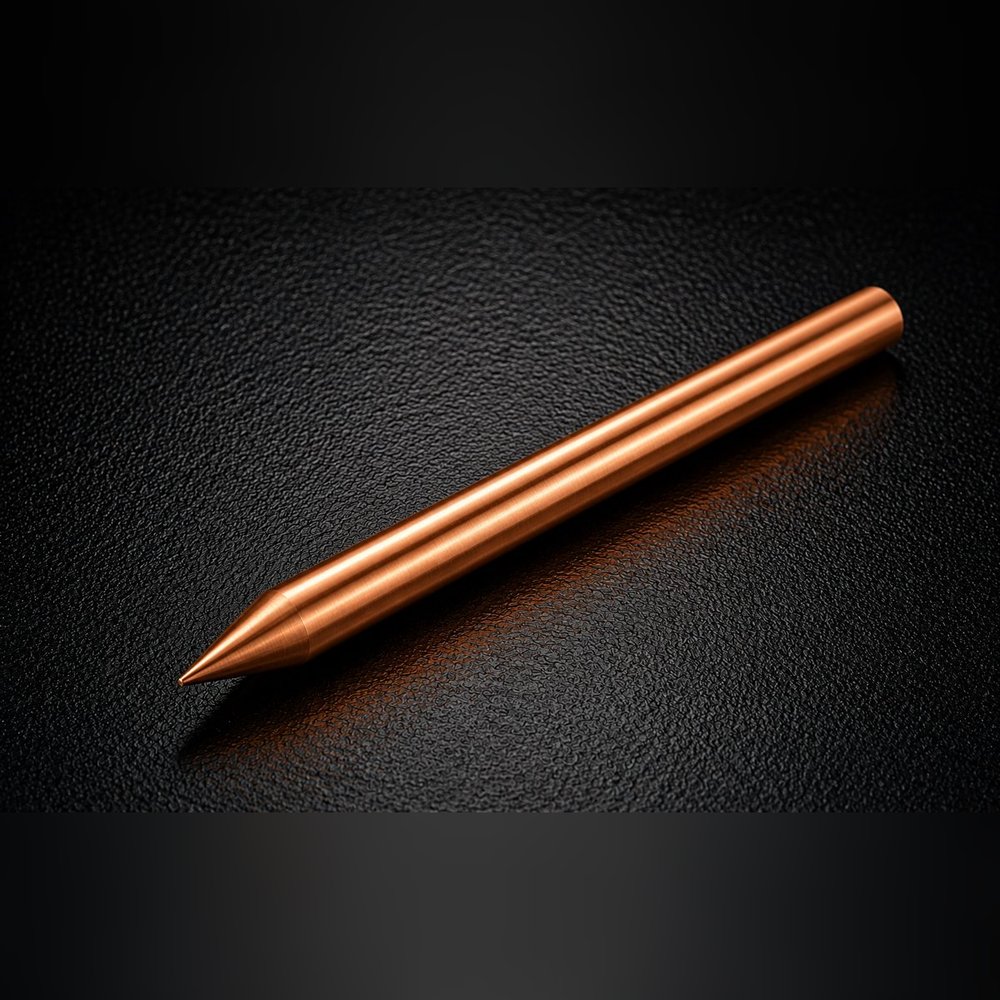
Copper-clad steel in place of copper earthing grids – proven in China for twenty years
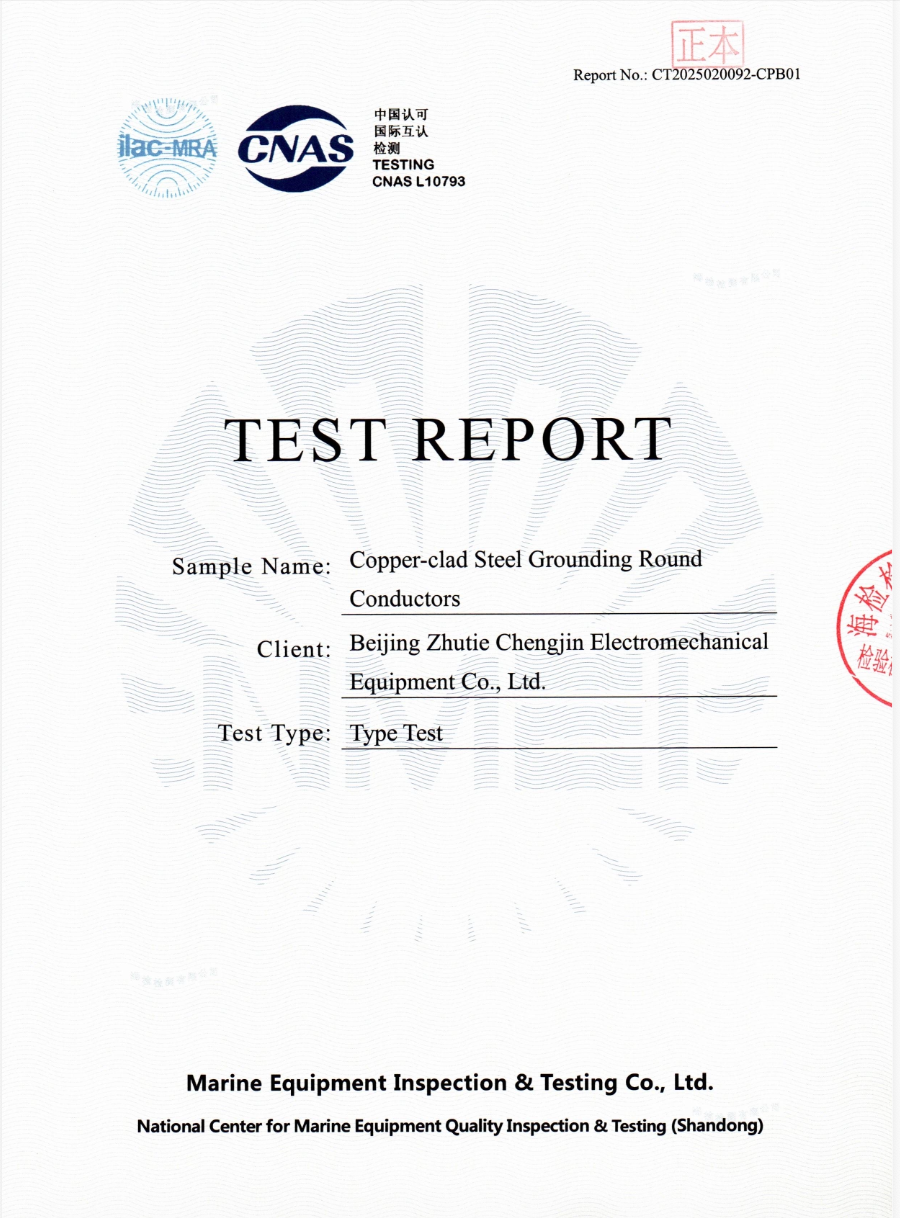
China started with 0.25 mm electroplated copper-clad steel; twenty years of practice have led to thick-layer (0.6–1.0 mm), annealed, continuous-cast conductor. We bring that proven package – the product, the IEEE 80 sizing report, the CMA/CNAS type-test reports, the welding and site guidance – to your project in full.
0.6 / 0.8 / 1.0 mmCopper layer · 0.25 mm plated also supplied
15–40 % IACSConductivity
DL/T 1312-2023Product standard
IEEE 80-2013Sizing basis
How China proved it
Copper-clad steel in place of copper grids is not a new idea in China. It has gone the whole way – trial installations → large-scale use → cross-recommendation by several standards – and not on the word of one standard: product standards, anti-corrosion standards and the technical-supervision guide cross-check one another at three levels. We were part of that process from the start.
Nearly 20
years of copper-clad steel replacing copper grids in Chinese service – from the first CCS through-earthing line to today
Millions
of kilometres of thick-layer horizontal conductor installed across power, rail, chemical and renewable projects
5 standards
at three levels: product standards call for the annealed temper, anti-corrosion standards set 0.6 / 0.8 mm copper, the supervision guide steers medium and high corrosivity to copper-clad steel
61–86 %
less copper than solid copper (conductor copper mass, not project cost; 61–65 % at equal withstand, 77–86 % at equal diameter)
Three levels, five standards, one conclusion
Product standards · what the product must be
Both copper-clad steel standards, DL/T 1312-2023 (power industry) and Q/GDW 10466-2021 (State Grid), recommend the annealed soft temper for horizontal conductor after their revisions. DL/T 1312-2023 clause 4.2: "The manufacturing process should be continuous casting or electroplating; the sheath cold-drawing process shall not be used … horizontal earthing conductor should be annealed."
Anti-corrosion standards · how thick the copper must be
Both earthing anti-corrosion standards, Q/GDW 12015-2020 (State Grid) and DL/T 2094-2020 (power industry), set the copper layer at 0.25 / 0.6 / 0.8 mm for low, medium and high soil corrosivity.
Supervision guide · what a project should choose
DL/T 2650-2023, the technical-supervision guide for earthing materials in power projects, governs selection: galvanised steel for low corrosivity, 0.6 / 0.8 mm copper-clad steel for medium and high (alongside copper for high), and copper and copper-clad steel may share one earthing area.
Together they point to one product: a thick copper layer (0.6 / 0.8 mm), fully annealed – exactly what continuous casting does well.
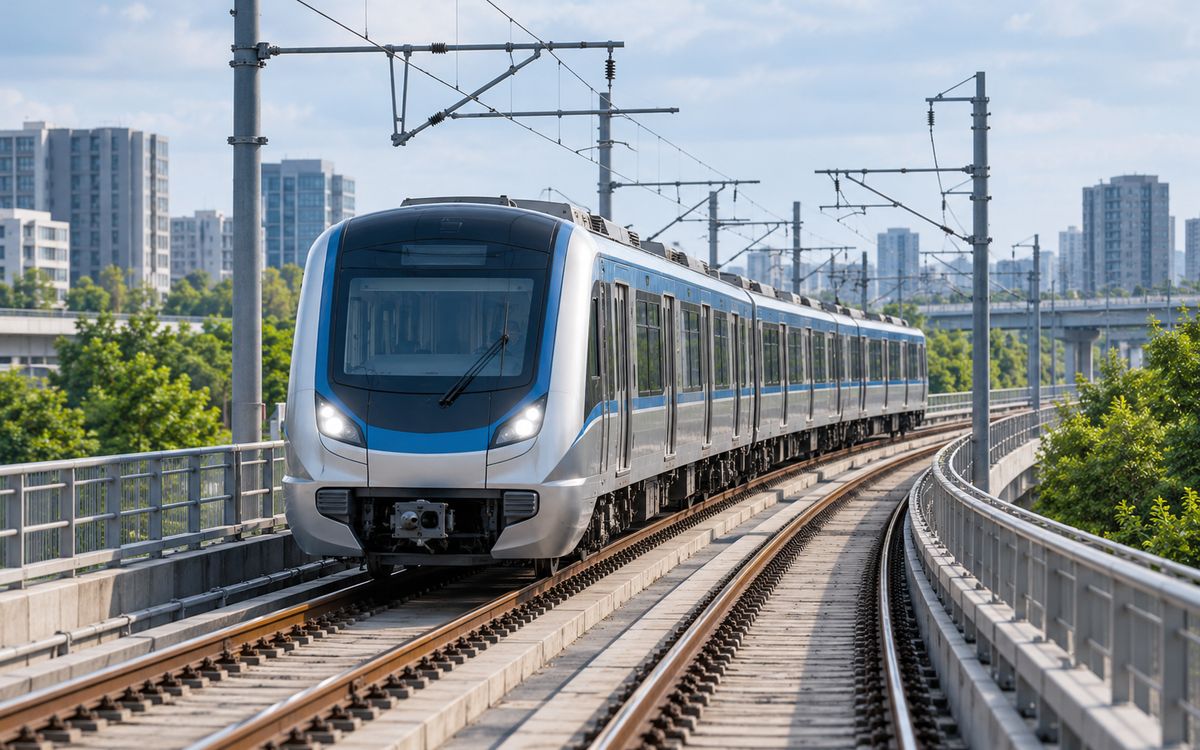
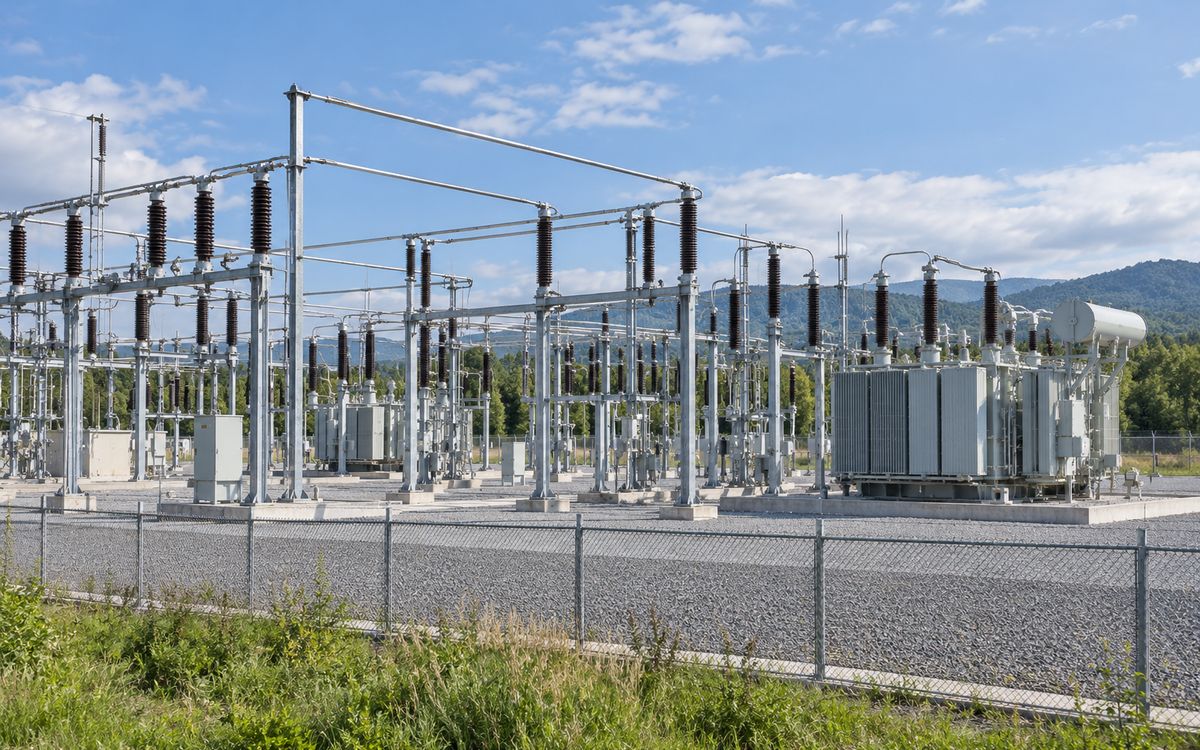
China's first through-earthing line in copper-clad steel (Tianjin Jinbin Light Rail Line 9), Beijing's first (Metro Line 10), plant earthing at the world's largest coal-to-SNG project (Datang Keqi); our own hundreds of thousands of metres a year to rail transit, re-ordered year after year.
Our chief engineer sits on the drafting group revising GB/T 33588.2 (China's adoption of IEC 62561-2), submitted test data on continuous-cast copper-clad steel and proposed that continuous casting be written into China's definition – included in the revised draft, not yet published; author of Earthing Design and Engineering Practice (China Machine Press, 2014).
Replacing copper takes three things – to our knowledge, very few suppliers have all three
For a design institute, consultant and owner to replace a solid-copper grid with copper-clad steel in a way that is compliant, reviewable and accountable, three things have to be in place. The first is the product itself: thick-layer (0.6–1.0 mm), annealed, continuous-cast horizontal conductor. Copper-clad steel earthing in China began with 0.25 mm electroplated product, and the established international manufacturers contributed a great deal to that; a 0.25 mm plated layer is far more durable than galvanising and remains a sound choice for low-corrosivity soil and for vertical rods. But to replace copper in medium- and high-corrosivity ground, the copper layer has to cover the corrosion loss of the full service life there – and twenty years of practice and several power-industry standards point to 0.6 / 0.8 mm continuous-cast copper-clad steel, provided the design is right. The second is the compliance basis, the third the engineering service. Suppliers with all three are, to our knowledge, very few.
Product
Full range, thick layer, annealable
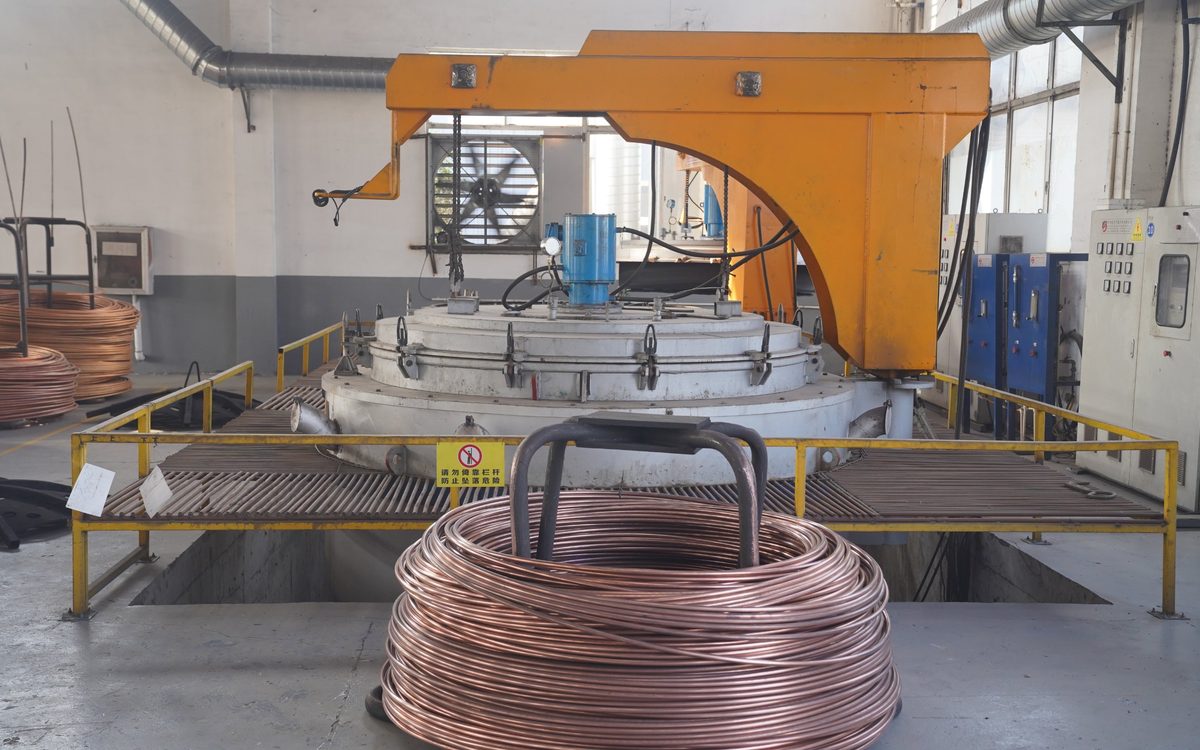
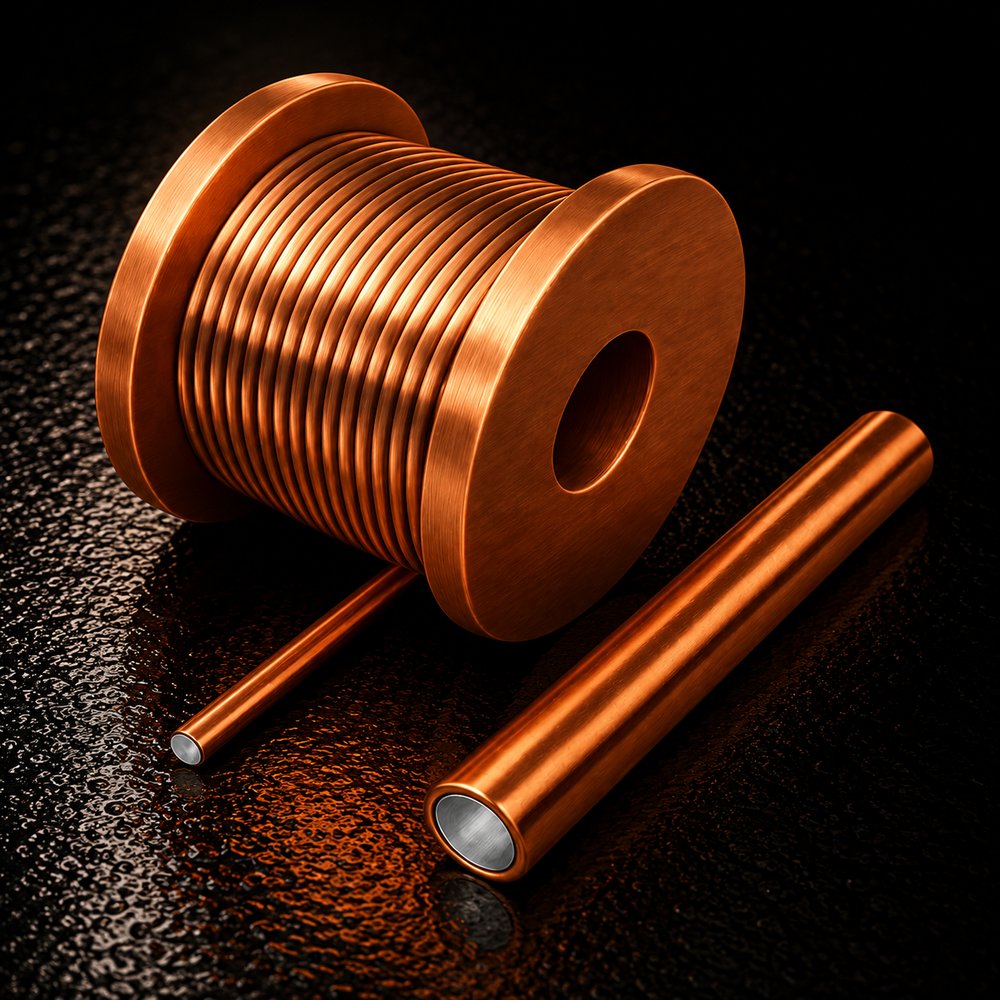
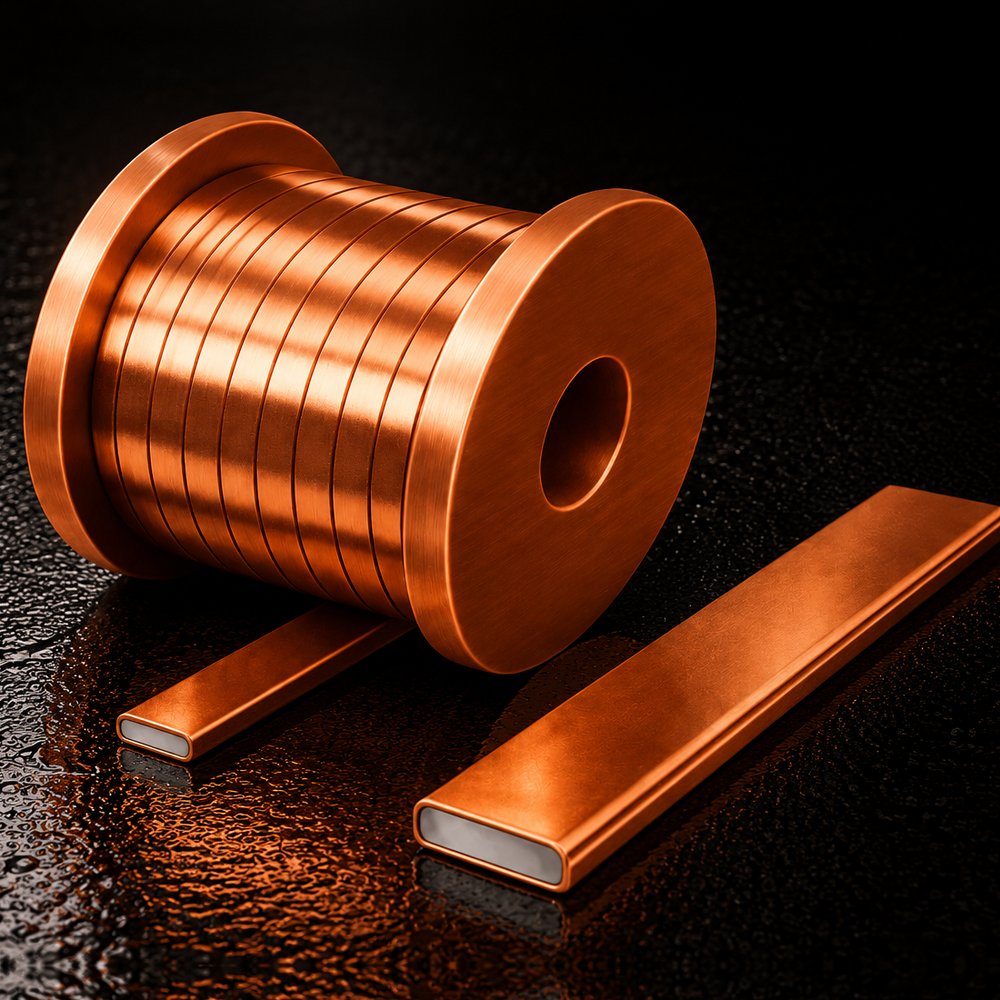
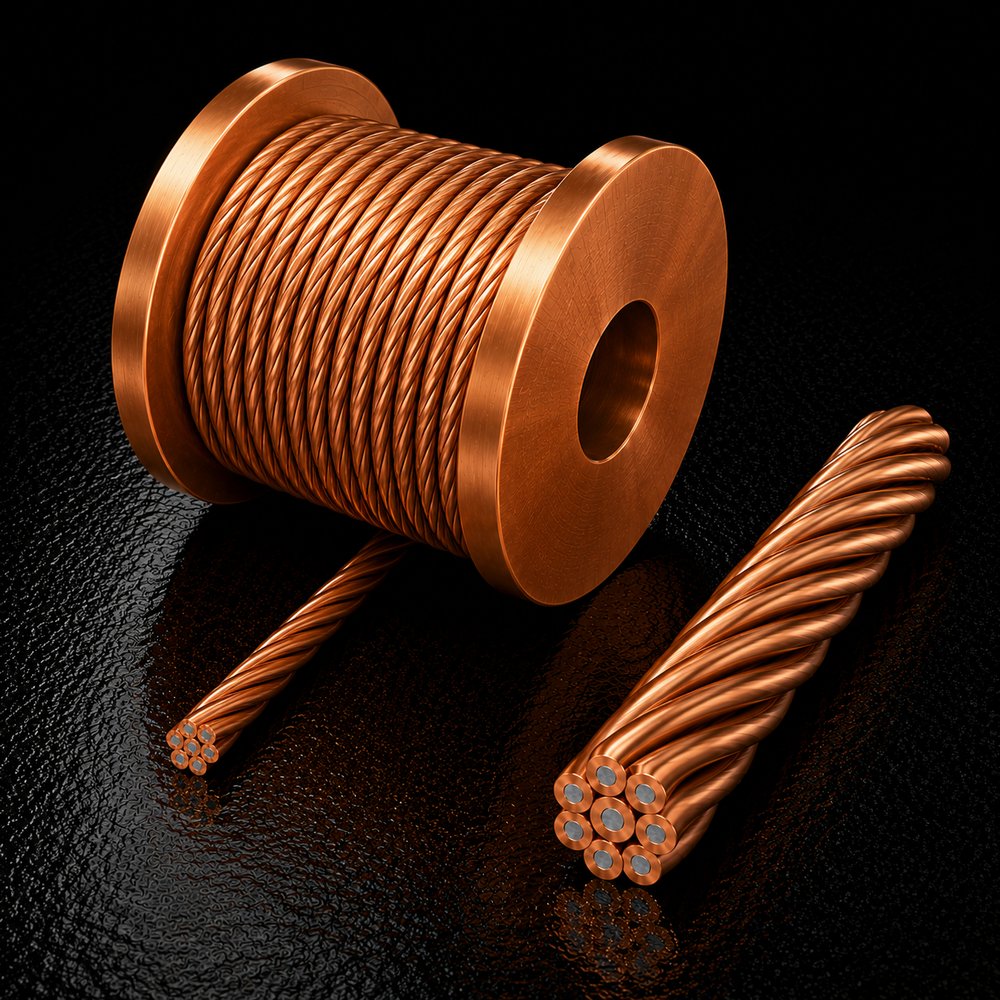
Round wire, flat tape, rods and stranded conductor from our own plant (exothermic welding moulds and powder supplied to match), with 0.25 / 0.6 / 0.8 / 1.0 mm copper, continuous-cast and fully annealed. Horizontal conductor and vertical electrodes from one factory and one material system.
Compliance basis
IEEE 80 sizing + CMA/CNAS test data
Cross-sections are calculated with the thermal-stability formulae of IEEE Std 80-2013; copper thickness is derived from the corrosion allowance for your design life; type tests are issued by a CMA/CNAS dual-accredited laboratory under a substation-level fault-current sequence. Together, they give your engineer something to sign off on. See a sample assessment report (PDF)
Engineering service
Design → site → operation
Two sizing options and the copper saving within 24–48 hours, free; exothermic welding moulds, procedures and laying guidance; commissioning and O&M support. A closed loop from proposal to handover, so nothing is left for the contractor to figure out.
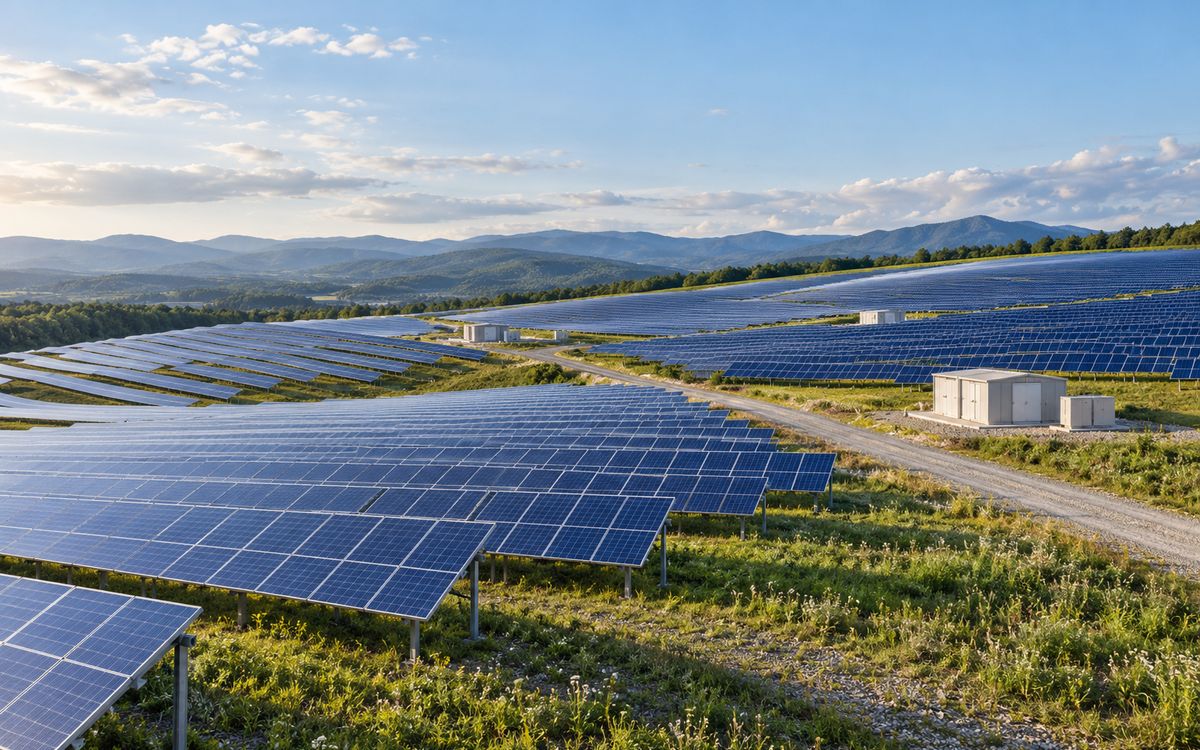
To be direct: if you only need rods purchased against a 0.25 mm specification, many factories can supply them – and so can we. But if you want to replace a solid-copper grid in a substation, PV plant or chemical complex and have that decision survive design review, we can take you through it end to end.
Three things you can check
No adjectives: the factory is photographed, the reports have numbers, the projects have names.
Images are illustrative application scenes (AI-generated), not project photographs.
The products behind the solution
Horizontal conductor, vertical electrodes, leads and exothermic welding accessories from one factory and one material system: round wire, flat tape, ground rods and strand with 0.25 / 0.6 / 0.8 / 1.0 mm copper; technical data by size, supply and ordering terms are on the Products page.